Published June 22, 2026
How to Make Any Space Feel Larger

How to Make Any Space Feel Larger
Whether you're working with a cozy condo, a starter home, or a room that just never feels quite right, the good news is that square footage isn't everything. With a few smart choices in layout, color, lighting, and decor, you can make virtually any space feel more open, airy, and expansive. Here are the most effective ways to do it.
1. Go Light on Color
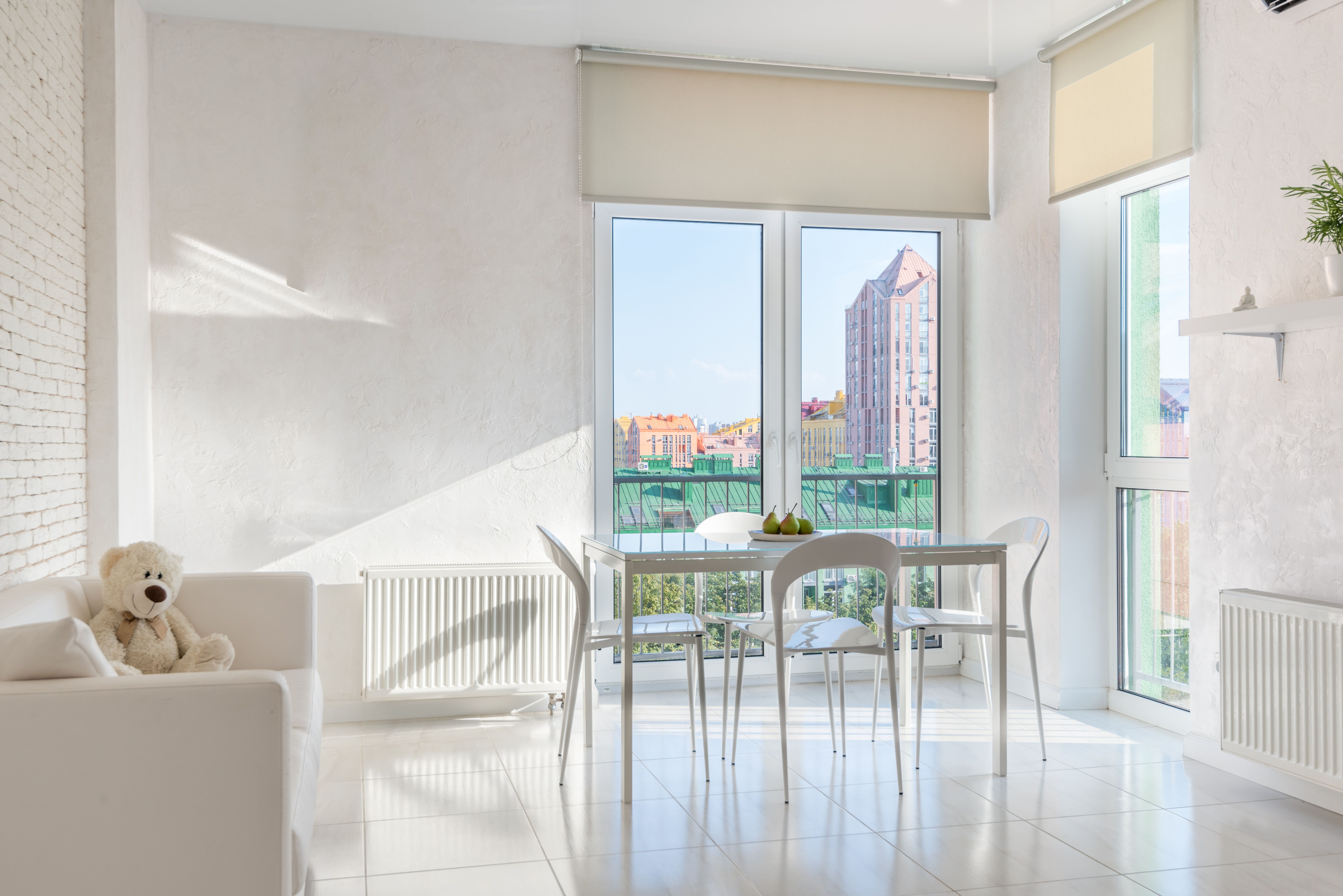
Light, neutral tones on walls and ceilings are one of the fastest ways to open up a room. Soft whites, warm creams, pale grays, and light greiges reflect natural light and make walls feel like they're receding rather than closing in. The ceiling is especially important: painting it the same shade as your walls (or even slightly lighter) draws the eye upward and adds perceived height.
Pro tips:
• Use a consistent palette throughout connected spaces to create visual flow.
• If you love color, use it in small doses: a single accent wall, throw pillows, or art.
2. Maximize Natural Light
Light is arguably the single biggest factor in how spacious a room feels. Dark rooms shrink; bright rooms breathe. Make it a priority to let in as much natural light as possible.
• Swap heavy drapes for sheer curtains or roman shades that can be pulled all the way up.
• Hang curtain rods close to the ceiling (not just above the window frame) to make windows look taller.
• Place mirrors opposite windows to bounce light deeper into the room.
3. Use Mirrors Strategically
Mirrors are a designer's secret weapon. A large mirror on a wall can effectively double the perceived depth of a room. A leaning full-length mirror in a corner, a gallery wall of smaller mirrors, or a mirrored piece of furniture all create the illusion of more space without removing a single wall.
• Position mirrors to reflect something beautiful, like a window view or a piece of art.
• Avoid placing mirrors where they'll only reflect a blank wall, which defeats the purpose.
4. Choose the Right Furniture Scale
Oversized furniture in a small room is one of the most common mistakes people make. Bulky sofas, chunky coffee tables, and massive entertainment centers consume floor space and make rooms feel cramped. Instead, opt for furniture with:
• Exposed legs, which allow light to flow underneath and keep pieces feeling lighter.
• Slimmer profiles that are appropriately scaled to the room dimensions.
• Dual-purpose functionality, like ottomans with storage or a dining table that folds down.
5. Declutter and Edit Ruthlessly
This one sounds obvious, but it is worth stating plainly: clutter makes spaces feel smaller. It pulls the eye in every direction and creates visual noise. A well-edited room with fewer, more intentional objects will always feel larger than one packed with stuff.
• Invest in smart storage: built-ins, under-bed bins, and furniture with hidden compartments.
• Keep surfaces as clear as possible. If you can see the countertops, the room breathes.
• Vertical storage (tall bookshelves, wall-mounted cabinets) draws the eye up and keeps floor space free.
6. Think Vertical
Most people decorate at eye level and below, leaving the upper portion of the room unused and forgotten. Drawing attention upward creates the sense of height.
• Hang art higher than you think you should.
• Use floor-to-ceiling shelving.
• Install molding or wallpaper patterns that have a vertical emphasis.
• Choose tall, narrow furniture over short, wide pieces when possible.
7. Choose Rugs That Are Large Enough
An undersized rug is a surprisingly common culprit in rooms that feel off. Small rugs chop up the floor visually and make a space feel disjointed. A rug that is large enough to anchor all of the main furniture in a seating area creates a unified, expansive feel.
As a general rule:
• In a living room, all front legs of your sofa and chairs should sit on the rug.
• In a bedroom, the rug should extend at least 18 to 24 inches beyond either side of the bed.
The Bottom Line
Making a space feel larger is less about what you add and more about how thoughtfully you use what you have. Light, scale, reflection, and editing are your biggest levers. Start with one or two of these strategies and you will likely be surprised at how much of a difference they make.
Rachel Gaudette
Client Care & Marketing
Home Collective Northwest