

Categories
Family, Neighborhood, PNW LivingPublished June 25, 2026
How to Create a Fire Safety Plan at Home

When it comes to safeguarding your home and loved ones, having a well-thought-out fire safety plan is essential. Fires can happen unexpectedly, but with a clear plan in place, you can minimize risks and ensure everyone knows how to respond quickly and safely. Here’s a straightforward guide to help you create an effective fire safety plan for your home.
-
Identify Potential Fire Hazards
Start by walking through your home and noting any potential fire hazards. Common sources include kitchen appliances, electrical outlets, heating equipment, candles, and smoking materials. Addressing these risks early, such as unplugging unused devices or keeping flammable items away from heat sources, can reduce the chance of a fire starting. -
Install and Maintain Smoke Alarms
Smoke alarms are your first line of defense. Install smoke detectors on every level of your home, inside bedrooms, and outside sleeping areas. Test them monthly and replace batteries at least once a year. If your alarms are more than 10 years old, consider replacing them with newer models for improved reliability. -
Create Clear Escape Routes
Map out at least two escape routes from every room, typically through doors and windows. Make sure all family members know these routes well. Keep pathways clear of clutter and ensure windows and doors open easily. If you have young children or elderly family members, plan for how you will assist them during an emergency. -
Designate a Safe Meeting Spot
Choose a safe, easily accessible location outside your home where everyone will meet after evacuating. This helps you quickly account for all family members and informs firefighters if someone is missing. -
Practice Your Plan Regularly
Conduct fire drills at least twice a year to reinforce your plan. Practice evacuating your home calmly and quickly, using different escape routes. This builds confidence and helps identify any obstacles or improvements needed. -
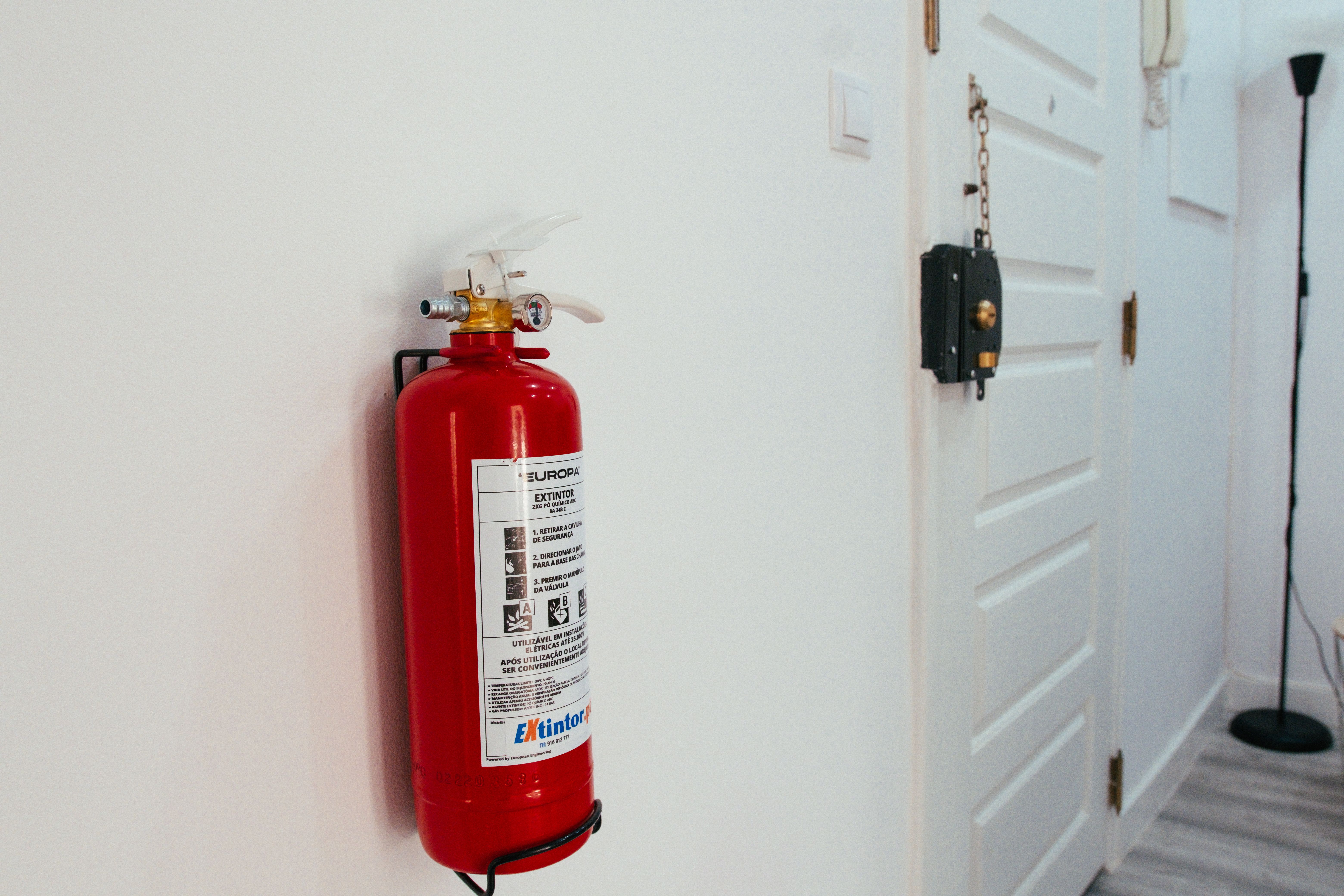
Equip Your Home with Fire Extinguishers
Place fire extinguishers in key areas like the kitchen and near heating equipment. Learn how to use them properly and ensure they are regularly inspected and maintained. -
Educate Everyone in Your Household
Make sure all family members understand the importance of fire safety, know how to respond if a fire occurs, and recognize the sound of smoke alarms. Teach children to “stop, drop, and roll” if their clothes catch fire and to never hide during a fire. -
Keep Emergency Numbers Handy
Post emergency contact numbers near phones and save them in mobile devices. This includes your local fire department, emergency services, and a trusted neighbor or relative.
By taking these proactive steps, you’re not only protecting your home but also creating peace of mind for your family. Fire safety planning is a vital part of responsible homeownership, and with a little preparation, you can face emergencies with confidence.
Stay safe and prepared!
Rachel Gaudette
Client Care and Marketing Coordinator
Home Collective Northwest
clientcare@homecollectivenw.com
+1 253-465-2114
https://rachel.homecollectivenorthwest.com

Stephanie Gurden
Realtor & Owner | Home Collective Northwest | Keller Williams Realty
or another way